
Wireless Internet Network Solution in The Finger Lakes
Experience seamless and reliable bandwidth comparable to fiber optic connectivity.
15+
Transmission cluster sites
6
Trusted service partners
10+
Regional municipals

Smart Solutions
Financially practical and efficient solutions for your internet needs
Optimize….
✓
Gigabit speeds
✓
Low Latency
✓
Reliable uptime
Service Plans
Pricing options for every business stage
Find the perfect plan that suits your needs. Our transparent and competitive pricing ensures you get the best value for your investment.
$
55
/month
Basic service
Ideal for home or work from home business, this plan provides…..
$
99
/month
Professional service
Great for growing small businesses, this plan offers enhanced features…….
$
199
+/month
Premium service
Tailored specifically to, for large enterprises and multi unit building owners, this plan offers end-to-end network management, including ……..
News
Trends and updates on network operations
Dive into reports, expert takes, and news shaping the future of the internet across the region.

FAQs
Answers to your network questions
From pricing to connection options, our FAQs could cover everything you need to know to ensure smooth installations and network management.
What services do you offer?
We provide a full range of networking services, including internet access (wireless and fiber), building out network infrastructure, and network systems management.
Do you work with fiber optic networks?
Yes, we specialize in both wireless/wired and fiber optic networks, ensuring your device connectivity within internal networks including internet connectivity.
What is Fixed Wireless Internet?
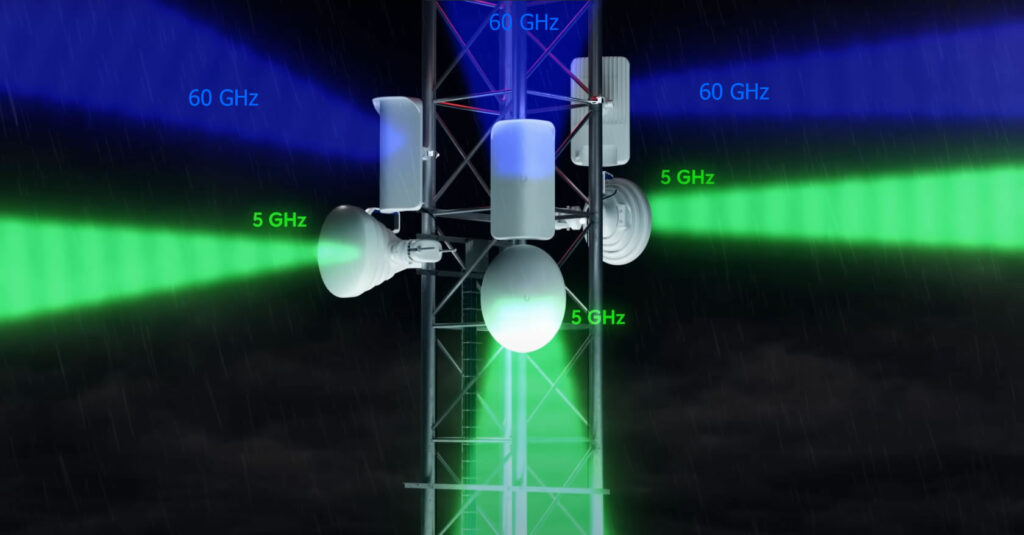
Fixed wireless internet is a type of broadband connection where data is transmitted via radio waves between a fixed antenna (usually installed at the customer’s location) and a base station operated by the internet service provider (ISP). Unlike mobile wireless (like 4G or 5G), fixed wireless provides a permanent internet connection for homes or businesses, typically in rural or underserved areas.
How does Fixed Wireless Internet work?
Fixed wireless internet works by sending data from a base station (often located in a nearby tower) to a fixed antenna at your home or business. The antenna receives the signal and transmits it to a router inside your home, allowing you to access the internet. The base station sends and receives data via radio signals, meaning there is no need for physical cables to be run to your location.
What are the advantages of Fixed Wireless Internet?
Faster Setup: Easier and quicker to install compared to traditional wired broadband, especially in rural areas.
Coverage in Remote Areas: Fixed wireless can be deployed in rural or hard-to-reach areas where fiber and cable infrastructure are unavailable.
High-Speed Connectivity: Offers broadband speeds (up to 1 Gbps in some cases) for activities like streaming, gaming, and video conferencing.
No Cables: Unlike wired broadband, there are no physical cables involved, making it less costly and complex to set up.
Reliable: Typically provides consistent speeds and low latency, especially for businesses or residential users who need a stable connection.
How fast is Fixed Wireless Internet?
Fixed wireless can provide speeds ranging from 25 Mbps to over 1 Gbps, depending on the provider and the specific plan you choose. In general, fixed wireless offers comparable speeds to cable or fiber internet, making it suitable for activities such as HD video streaming, online gaming, telecommuting, and cloud services.
Can I use Fixed Wireless Internet for business?
Yes, fixed wireless internet is a great option for businesses in rural or underserved areas. It offers dedicated bandwidth, low latency, and reliable performance that can support activities like cloud computing, video conferencing, data transfers, and VoIP calls. Some providers offer business-specific plans with enhanced support and service level agreements (SLAs) for guaranteed speeds.
Is Fixed Wireless Internet reliable?
Yes, fixed wireless internet is generally reliable, especially when the antenna has a clear line of sight to the base station. The service can experience temporary interruptions in extreme weather (heavy rain, snow, or storms) usually due to power loss, but it is generally less prone to outages compared to satellite internet.